Ocala · The Villages · Gainesville · Central Florida · Florida’s Nature Coast

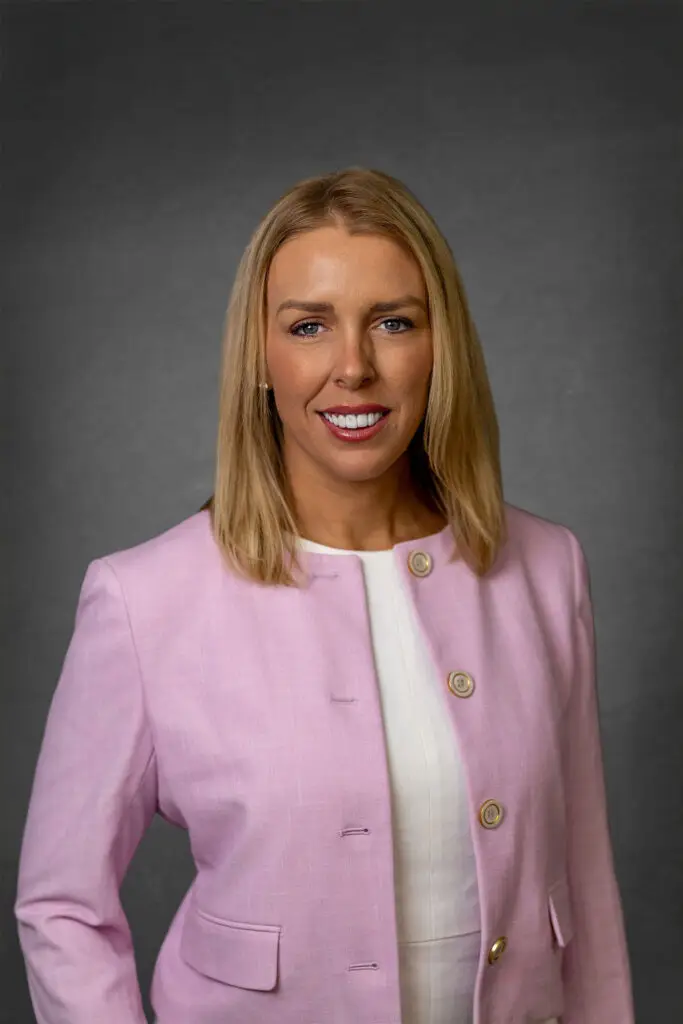
At our firm, Mrs. Samantha Shealy Rauba handles estates through three types of administration: formal administration, summary administration and ancillary administration.
Each type of estate administration has a unique process. Not all estates qualify for each type of administration.
With formal administration, the designated representative for the estate files the probate petition with the circuit court. Once he or she has submitted the necessary paperwork to the court, the court issues a document known as the Letters of Administration. This document gives the estate representative the authority to distribute the property included in the estate to the beneficiaries listed. The court supervises the representative as he or she does this. Once all property has been distributed, the representative files evidence to the court to prove that the process is finished and the court closes this estate. This process can take up to one year to complete.
This type of administration is a simplified form of the formal administration process. With this type, the Petitioner files a Petition for Summary Administration with the court. The court does not grant an individual the right to administer the estate. Instead, it simply releases the property to the beneficiaries of the estate.
This type of administration is available in cases where the value of the property that is eligible for probate is $75,000 or less or the death occurred two or more years prior to the filing of the petition for probate.
If an individual who was not a Florida resident dies and leaves property in Florida, this property may be administered using ancillary administration. The personal representative may be issued Ancillary Letters of Administration, which allows him or her to administer these properties to their intended recipients.
Probate also refers to the court process of settling an individual’s estate. There are many cases where this is necessary. In Florida, any individual who has possession of a loved one’s will must file it with the local circuit court within ten days of learning of the individual’s death. The court then determines if a probate proceeding is necessary and if so, whether the will is valid or not.
Not all assets go through the probate process. Assets held in living trusts, assets held jointly with another individual, and assets that have a designated beneficiary can all be transferred to their new owners without having to go through probate.
Probate can be a confusing topic. We can help you understand it better and determine how your assets may be divided through the probate process. Mrs. Rauba is an experienced probate attorney who can guide you through the process of dividing your estate among your heirs. Contact McGraw, Rauba & Mutarelli to schedule your legal consultation with our firm and begin working on your estate with Mrs. Rauba.
Talk to us about your matter
The loss of a loved one is always a difficult time for families. Then, when you add legal issues to the matter, it can also become confusing. In an effort to relieve some of this stress, our probate lawyers have addressed some of the most frequently asked questions about the probate process.
Once the proper arrangements for the deceased have been made and the Will has been located, you are encouraged to speak to a probate lawyer about the next steps you need to take to process the estate.
The length of time it takes to complete Probate will vary from case to case. A Summary Administration could take one to two months to complete. A Formal Administration that does not require estate taxes to be paid is usually completed within four to six months.
Factors that can shorten or lengthen the process include how long it takes for heirs to return notarized documents, the time it takes to locate heirs, and if any of the heirs are located overseas.
If the Will is not in compliance with Florida law, such as a video Will or one that does not have enough witnesses, the process can be extended until it is verified that the contents of the Will are valid.
Florida law requires that you have a probate attorney represent your case during formal probate proceedings unless the personal representative of the estate is the only interested party. If there are multiple heirs to the estate, it is in the best interest of the estate and the heirs to have quality legal representation.
Florida law will allow an estate to be administered with a missing heir if a Formal Administration is conducted and the portion of the estate that is intended for the missing heir is deposited with the Court until they can be located.
Not all properties are required to go through the full probate process. Small estates without property can qualify for Disposition without Administration, a much shorter probate process. Estates with a home but little other assets may also qualify for a Summary Administration. Florida law also states that if the person has been deceased for over two years the estate can be handled in a Summary Administration.
Once a person passes away, the power of attorney is no longer in effect. A POA is only valid when a person is representing a living person’s interest.
There are some times when it is preferable to use a Summary Administration to handle an estate. However, if there are multiple heirs, heirs that are minors, heirs that are overseas or missing, or multiple properties or assets to disburse, a Formal Administration will be the necessary way to handle the estate. Work with a probate attorney to determine which way of handling the estate will be the most cost effective and quickest way to complete the process.
Florida law allows estates to enter into probate at any time after the death. Estates that have been in pending for 50 years or longer have been completed in the state. However, these types of probate cases can be very extensive in time and costs because you are tracking down heirs over a long period of time. You may even have to go through several other estates and probate proceedings because the heirs have also passed away.
Florida law does not require the heirs, estate administrator, or even the attorney to appear in Court. In most cases, all of the paperwork is handled by mail, telephone, fax, and email.
Florida currently does not collect an estate tax. However, if the estate is required to file a federal tax return, the estate will be required to file a tax statement with the state, even though no taxes will be due.
In most cases, beneficiaries are not subjected to taxes. However, there are some instances when tax may apply. If the inheritance comes from an IRA, U.S. Savings Bonds, or Keogh Plan, taxes will be due. If the inheritance is subjected to federal taxes, the heir may also be subjected to tax. Additionally, if the inheritance is coming from another state or is located in another state (such as property), the inheritance may be subjected to the laws of that state. You will need to work with a probate lawyer and possibly an accountant to determine if taxes will be owed under these situations.
In most cases, the Title Insurance underwriters will not recognize the registering of a Will as sufficient evidence of the transfer of title. These insurers believe that registering the Will does not prove that the Will was valid under Florida law. Additionally, there may be legal issues that prevent the property from passing to the heir under Florida law, such as estate creditors or the type of property that is in question.
Not all estates are subject to probate. However, to distinguish if the estate must go through probate, the heirs should consult an attorney.
If you pass away without a Will, you are considered Intestate. Florida law has specific guidelines for distributing assets when this occurs.
Of course, there are always exceptions to the rules. If you are unsure how an estate should be handled when there is no Will, consult an attorney.
The answer to this question varies. If there is a balance on the mortgage, you may have to sell the home to cover this debt. If there are excessive secured debts or taxes due on the estate, it may also be necessary to sell the home. If the value of the home is divided among heirs, it will need to be sold to make the division. On the other hand, if the estate is not in debt and does not have to divide the home, it may just pass to the heir.
The type of debt that your spouse had will determine the answer to this question. If the debt is only in your spouse’s name, the estate may be responsible for the debt. However, if your name is also on the debt, you will still need to make payments. There is also a difference between secured and unsecured debts. You are encouraged to work with a lawyer and an accountant to determine the responsibility of the debts.
Probate is the action of distributing an estate after a person has died. Estate planning is the action of taking care of your assets before your death to ensure that it is protected from excessive taxes and is disbursed as you see fit.
The administrator of the Will is the only authorized person to pay the debts of the deceased.
Debt collectors can only speak with the administrator of the estate about the debts of the deceased person. Many will try to contact the surviving spouse or other family members in an effort to collect the debts. They often try to “shame” these relatives into paying these debts. If this happens, kindly refer them to the estate executor. Never pay a debt from your own money.
01
Tell us the basics
Your name, the best number, and a few lines about the matter. Thats all we need to start!
02
03
You Hear Back
Usually the same business day, with next steps and what a first meeting would cover.