Ocala · The Villages · Gainesville · Central Florida · Florida’s Nature Coast

Assets secured through this type of trust are not subject to probate, which is the court process of working through an individual’s estate to distribute all of its contents to his or her beneficiaries. By avoiding probate, the deceased’s loved ones can save themselves a considerable amount of time and money when he or she passes. With a revocable living trust, the assets are simply given to their intended recipients after the trust’s holder, known as the grantor, passes away.
This type of trust is known as a “revocable trust” because its terms can be changed by the grantor at any time. Revocable living trusts can also be canceled if the grantor wishes.
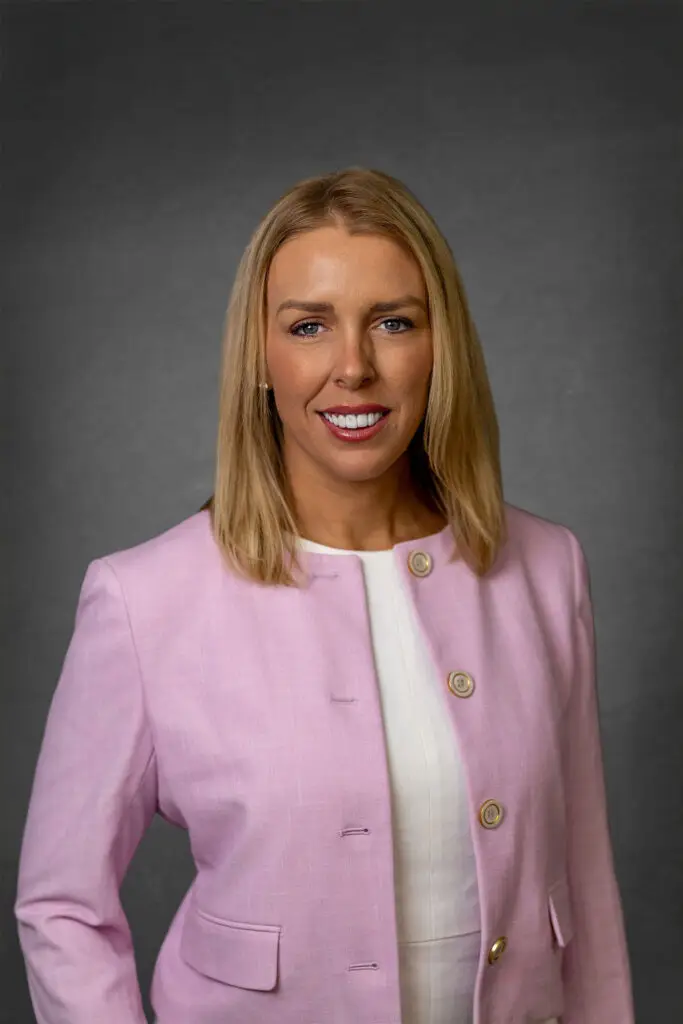
If you are considering creating a revocable living trust or taking other steps to plan your estate, contact McGraw, Rauba & Mutarelli to work with us. Mrs. Samantha Shealy Rauba is here to answer all of your questions about revocable living trusts and to create a document that protects your assets as you see fit.
A will is a document that names an individual, known as an executor, to distribute the grantor’s property after his or her death. The will also outlines how the executor may distribute the property. Although there are many ways in which wills and revocable living trusts are similar, there are also many ways that they are different. Some examples of these differences include the following:
These two documents can both be used to leave property to minor children and to name beneficiaries for one’s estate. And they may both be revised as the grantor wishes.
When you are ready to begin planning for your assets’ future, contact McGraw, Rauba & Mutarelli for knowledgeable legal guidance from our firm. We understand that you may feel overwhelmed with the different terms and options you are facing as you begin to plan your estate. Let us guide you through these terms and work with you to develop an estate plan that suits your needs and protects your most important assets.
Talk to us about your matter
01
Tell us the basics
Your name, the best number, and a few lines about the matter. Thats all we need to start!
02
03
You Hear Back
Usually the same business day, with next steps and what a first meeting would cover.